


Suzanne Simard wrote Finding the Mother Tree in 2021 after 30 years of research on trees and the mycorrhizal networks they use to communicate. Yes, trees talk. They also funnel water and nutrients to those in trouble, even of other species.
I had no idea.
In listening to this book, I was struck by a number of revelations. I won’t get into the ‘woo’ of the ‘wood-wide web’, but I kept drawing parallels to our human world.

On Help
I am an unabashed humanist. Those who know me know that I am fairly loathe to ask for help, but am enthusiastic in giving it. I don’t think I’m that unique. Many of us want help - need help - but don’t always know who to ask or what to ask for. We worry what others will think or we simply don’t know what we need.
There are myriad avenues today to connect to broader networks. We have learned, in the business world, to collect connections on LinkedIn or to build out our personal networks at happy hours and coffees. But those are shallow roots unless cultivated.

The human being has evolved over a couple million years from hunter gatherers to social media influencers. Despite the ability to have millions of subscribers or thousands of connections on social media, we can only manage real relationships with about 150 people. This is known as Dunbar’s Number. I, as an underevolved human, seem to only be able to handle 10 at a time, but that’s a different discussion.
As you travel the path to success and fulfillment, keep this in mind. You may get great help from a random connection in your virtual network, but it’s the 150 people you have real relationships who will provide you the most support.
These people are willing and eager to help. Don’t be afraid to ask.
On Monoculture
On to the bigger picture, we learned over the last 100 years to manage fields and forests to create easy-to-harvest monocultures. We were then surprised when we faced crop failures due to erosion, pestilence, and disease. We’ve tried to manage THAT with pesticides and physical interventions. We created fragility because we tinkered with complex systems we didn’t fully understand.
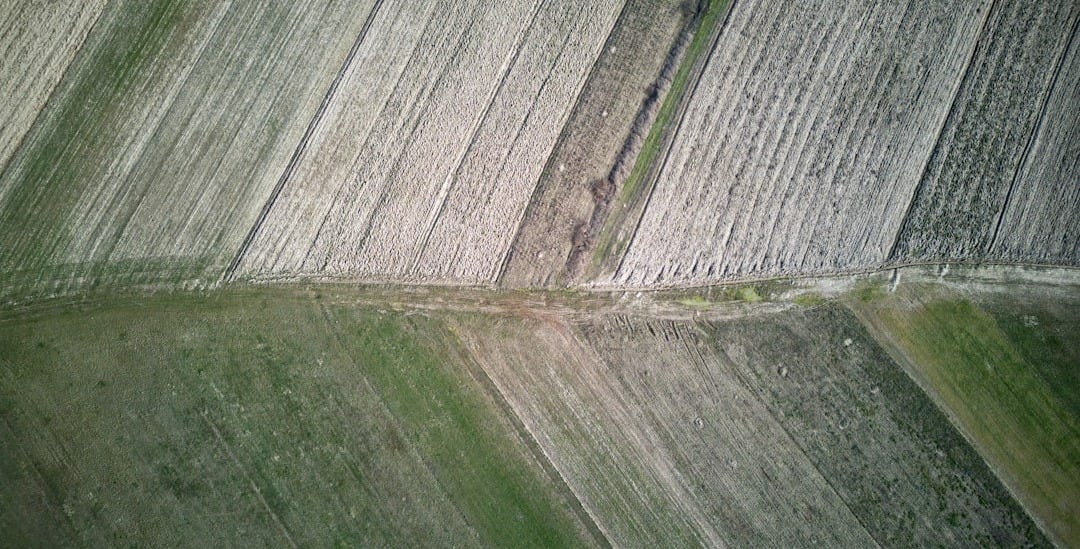
We did the same thing with our human resources. I don’t mean HR departments - I mean our human capital. Culturally, we have weeded out the instinct to work with our hands, pushing everyone to college to work with keyboards and mice. We treated everyone the same - same lessons, same goals, same output. We insisted that everyone should study hard and go to college. White picket fence, 2 kids, dog, retire to Florida. Anything less was deemed a failure, or at least, less than success.
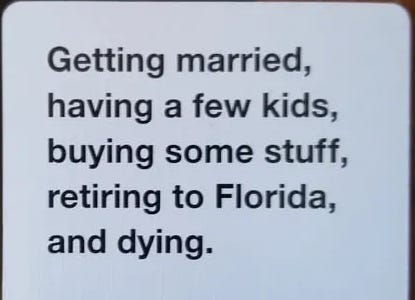
Diversity of thought about what’s possible is critical in this time of upheaval - consider careers that aren’t what society is pushing you toward. The happiest people I know are those who have chosen their path. They do so in the face of peer, familial, or societal pressure. They know who they are, and who they aren’t.
That is a brave path. It’s one I did not have had the courage to walk.
We want to support those who want to walk their own path, but don’t have the courage, knowledge, or network to do so.
Help us support them, too.
Loved it.