



We face a lot of uncertainty in this moment.
Will I lose my job?
Is AI going to replace me?
Will it help me?
Can I learn to use it fast enough?
Is the degree or career I’m pursuing going to be relevant five or ten years from now?
How do I manage my human resources so I don’t lose great talent in a broad layoff?
These aren’t abstract questions. They’re showing up in dinner table conversations, high school guidance offices, corporate boardrooms, and late-night Google searches. They’re being asked by students, parents, mid-career professionals, and people who have already lived through one or two “once-in-a-generation” disruptions and are staring down another.
We’ve been here before, in different forms. Every major economic shift creates fear first. The Industrial Revolution displaced craftspeople, broke communities, and devalued human labor in ways we didn’t even realize. The transition to the Information Economy displaced those workers unable to adapt to computers and those who worked in the factories being shut down as we offshored. The transition to the AI economy will not be painless.
But there is a hopeful message here…
If handled well, the AI revolution will not diminish human value. It will elevate it. It will push judgment, adaptability, responsibility, and real-world problem-solving back to the top of the hierarchy. The future of work doesn’t belong solely to people who can sit behind a screen and manipulate abstractions. It belongs to people who can operate in the real world, work with systems, tools, technology, and other humans, and make decisions when things don’t go according to plan.
That future is gray.
What We Mean by “Gray Collar”
For decades, we’ve divided work into neat categories: white collar and blue collar. Knowledge work and manual labor. College paths and trade paths. Head versus hands. Clean work and dirty jobs.
That framing no longer fits reality.
Across the economy, the fastest-growing, most resilient roles sit in between. Gray collar jobs involve working with tools, systems, data, and other people to solve real-world problems in the real world. They are hard to automate end-to-end because they rely on human interaction, observation, decision-making, and responsibility.
These roles exist everywhere.
They include work done indoors and outdoors. In labs, on job sites, in hospitals, on factory floors, in the field, and on the water. Some require advanced degrees. Some require certifications, apprenticeships, or years of hands-on experience. Many require a mix of formal education and practical skill.
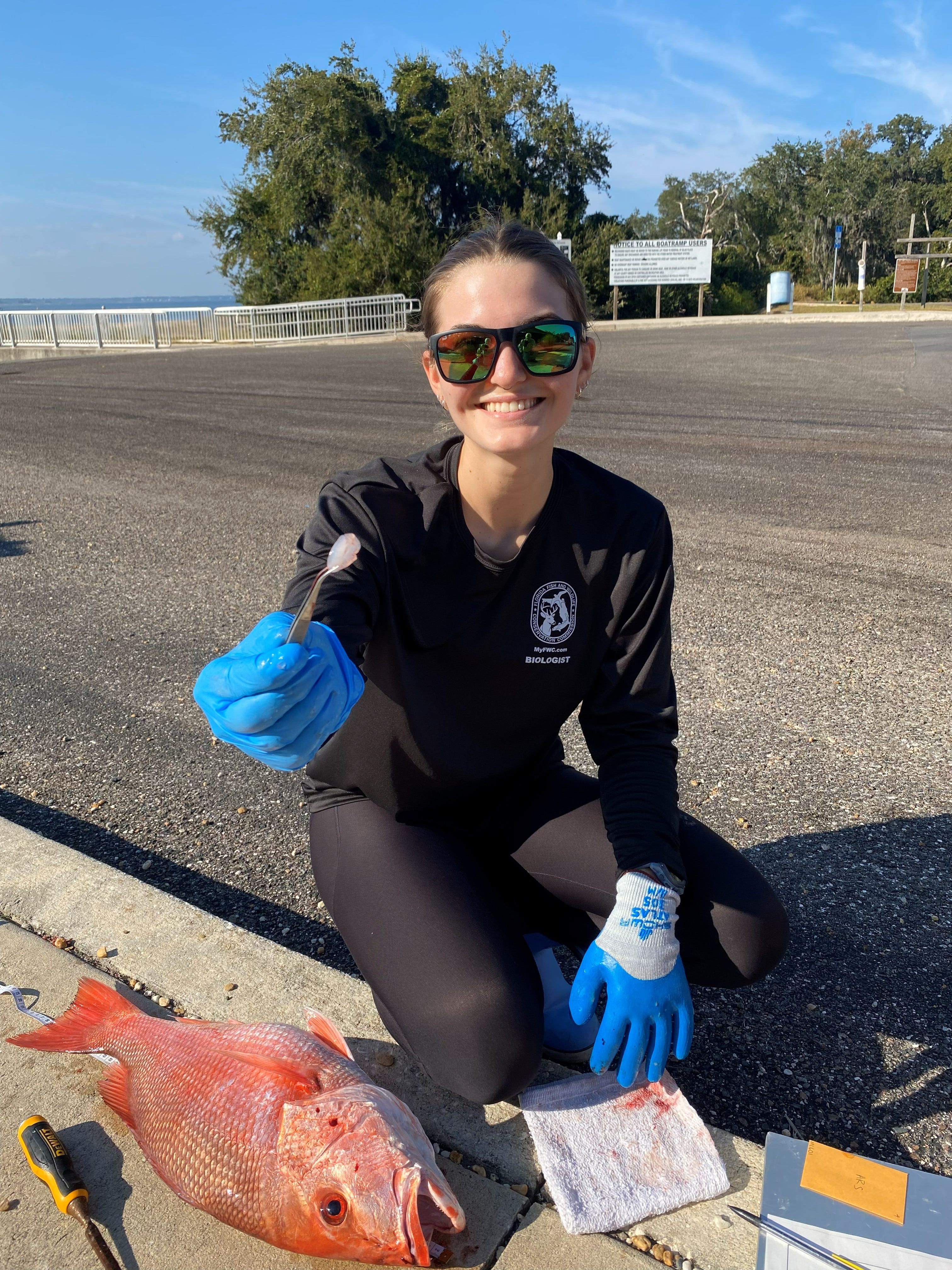
One example: my daughter has a marine biology degree. Her work doesn’t happen behind a desk. She goes out on boats with fishermen, observes catches, measures and weighs fish, collects samples, and prepares them for analysis. It’s scientific, physical, technical, and judgment-based. That’s gray collar work.
.The Problem Isn’t Work. It’s the Story We’ve Been Telling About It.
For at least a generation, we’ve told a very narrow story about success.
Go to college. Get a degree. Sit behind a desk. Work with your head, not your hands. And every few years, the Bobs come in and ask, “What would you say… ya do here?” and cut out the unproductive workers, leaving everyone unsettled.

And that was the big win. Anything else is a consolation prize.
That story was never entirely true, but it was stable enough for long enough that we treated it like fact. Today, it’s actively harmful.
It pushes people into college (and debt) without really knowing why.
It stigmatizes good, meaningful work.
It blinds employers to entire pools of capable talent (though they’re quietly dropping degree requirements).
It leaves young people anxious, parents confused, and workers feeling disposable.
Meanwhile, the jobs we actually need to make the country run go unfilled. Infrastructure ages. Supply chains strain. Healthcare systems rely on exhausted staff. Companies invest billions in automation while struggling to find people who can operate, maintain, and improve the systems they’ve built.
“We’re lending money we don’t have to kids who can’t pay it back to train them for jobs that no longer exist.” — Mike Rowe
The imbalance isn’t accidental. It’s cultural. And culture can change.
Why Gray Collar Exists
Gray Collar exists to change the conversation about work in America.
Not to attack college. Not to romanticize any one kind of job. And not to pretend there’s a single answer for everyone.
We came together to bring clarity to a conversation that has become noisy, fragmented, and often misleading.
We want to describe the world of work as it actually is, not as it was framed decades ago. We want to make visible the roles that keep systems running, communities functioning, and economies resilient. And we want people to be able to see themselves in those roles without stigma or second-guessing.
We believe people deserve honest information before they make life-shaping decisions.
We believe companies adopting new technologies have a responsibility to think about the workforce implications, not just the efficiency gains.
We believe good work should be respected, visible, and culturally legitimate.
And we believe this conversation is too important to belong to any one person, company, or ideology.
The Gray Collar Collective
That’s why this is a collective effort.
The voices you’ll find here come from different backgrounds: business operators, technologists, educators, workforce practitioners, founders, parents, and people who have lived these transitions personally. We don’t all agree on everything. We’re not trying to collapse complexity into slogans.
What we share is not a script, but a set of values: seriousness, honesty, and respect for the people who keep things running.
You’ll see essays, stories, frameworks, provocations, and questions. Some pieces will be short. Some will be long. Some will be personal. Others will zoom out and look at systems. Over time, this body of work is meant to become referential. A place people come to understand what gray collar work actually is, why it matters, and how the economy is changing around it.
This is not thought leadership for its own sake. It’s an inquiry. And it’s an invitation.
What Comes Next
For now, Gray Collar is about organizing ideas, language, and perspective. Later, there will be tools, partnerships, and concrete ways to help people navigate careers and transitions. But those solutions only work if the story underneath them is right.
We are early. That’s intentional.
If we do this well, the question in a few years won’t be “What is Gray Collar?” It will be “Why didn’t we talk about this sooner?”
A Simple Ask
If this resonates, here’s how you can help:
Subscribe, so you don’t miss what comes next.
Forward this to someone who’s asking hard questions about work, school, or the future.
Share it with a student, a parent, a colleague, or a friend who feels stuck between old advice and new realities.
And if you want to contribute to the conversation, stay close. This only works if it stays grounded in real lives and real work.
The future of work is not purely white or blue.
It’s human. It’s technical. It’s physical. It’s adaptive.
The future of work is gray.