


In 1995, I recorded an album as a percussionist with Johnny Sandlin as our producer.
I was nervous as hell.
Johnny Sandlin had produced the Allman Brothers Band and later worked with Widespread Panic in the early 1990s. His reputation preceded him. Walking into the studio, I knew I was in the presence of someone whose ear had shaped records that mattered. We did our best not to disappoint.
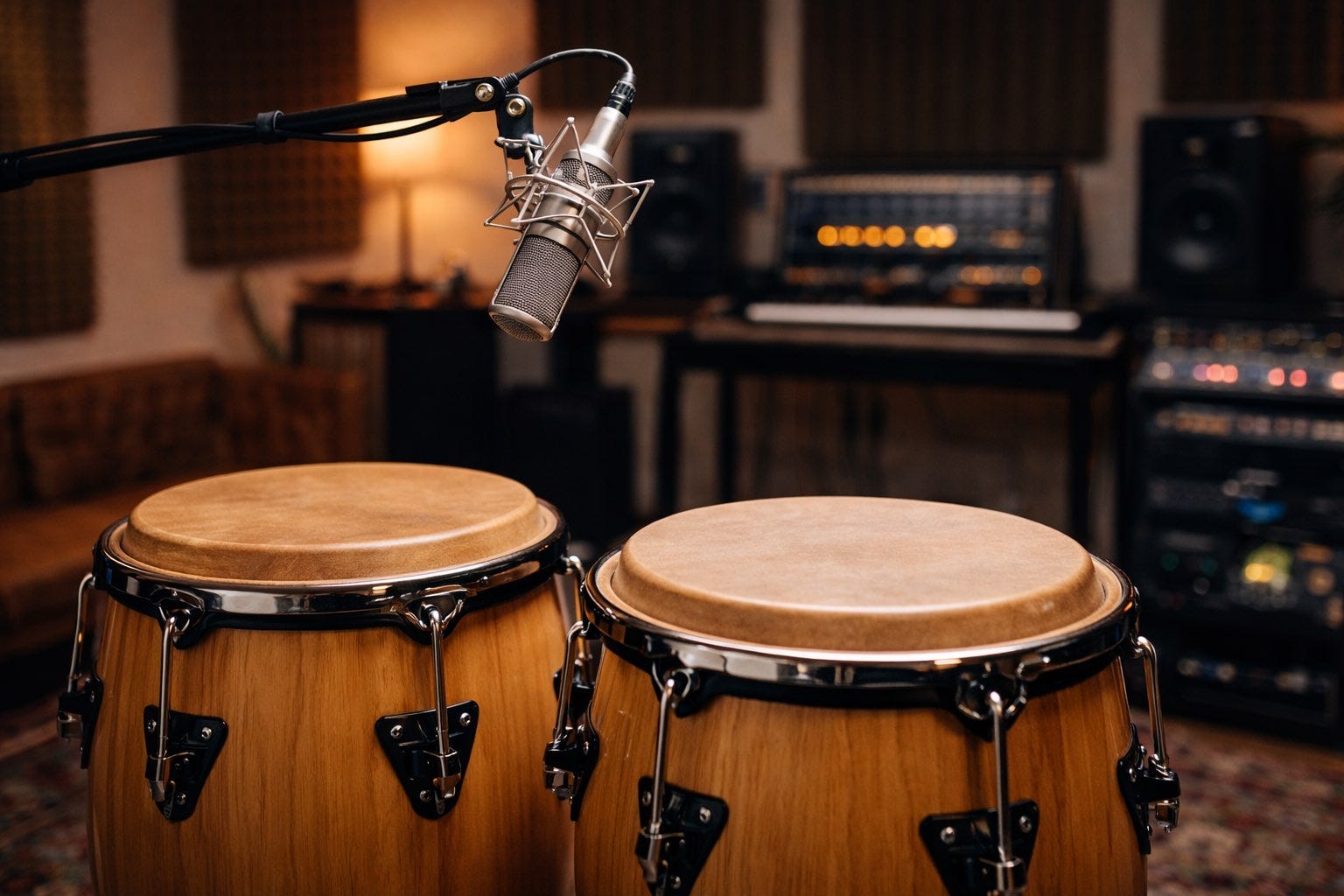
.
What made Johnny almost Yoda-like was not just his reputation. It was his process, his ear, and his feel.
Johnny listened deeply. He understood space, timing, and restraint. He knew when to let a take breathe and when a small adjustment would change everything. His feedback was minimal but exact. You did not feel managed. You felt guided.
What struck me most, in hindsight, was how unromantic the work actually was. This was not about mythology. It was about craft: mic placement, performance discipline, and understanding how sound behaves in a room. Decades of repetition had trained his instincts.
At the time, I was not thinking about career paths. I was just honored that our band’s producer was someone of that caliber.
Looking back, that experience is a clear example of a gray collar career.
Music production, live or in the studio, does not follow a traditional white collar path. It requires certification, technical fluency, stamina, taste, and years of hands-on learning. When done well, it pays. When done exceptionally, it is like painting a masterpiece or scoring a symphony. The craft is evident, even if the listener cannot name every decision behind it.
Johnny Sandlin did not build his career through credentials or corporate ladders. He built it through mastery.
That is gray collar work.
Michael, I love that story! ❤️