


Mike Tyson once famously said: “Everybody has a plan until they get punched in the mouth.” It’s one of those quotes that makes people laugh because it’s true in boxing, in business and in life in general.
Recently, I was working with my boxing coach and between rounds we found ourselves talking about goals, opportunities, setbacks, and perseverance. Somewhere in the conversation that Tyson quote came up, and the more we talked, the more I realized how perfectly it describes the working lives of most people. We all have plans for our careers, finances, retirement, business, our families, and so on. We map out where we want to go, how long it will take, and what success is supposed to look like. Then life throws a punch.
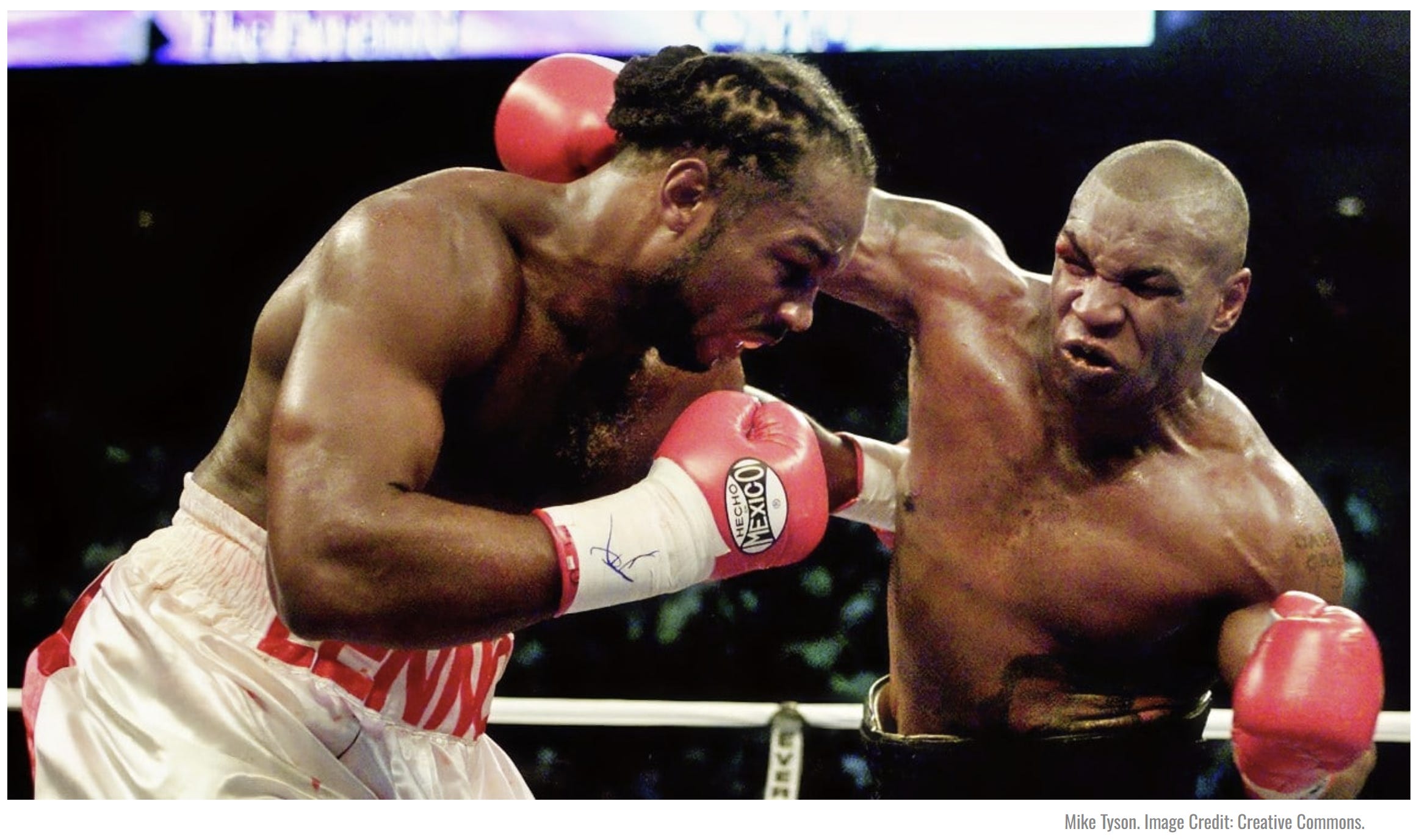
Sometimes it’s a layoff, a company restructuring, losing a promotion you worked years to earn, a difficult boss, a certification requirement you didn’t see coming, a major project that suddenly demands nights and weekends and having to choose between a work deadline and your daughter’s recital. Sometimes it’s a health issue or it’s simply realizing that the career you’ve spent ten years building is no longer the career you want. Punches come in all shapes and sizes. The problem is that most people who plan spend most of their time building and executing the plan and not enough time preparing for the punch.
Those who thrive over the long term aren’t necessarily the smartest, strongest, or luckiest. They’re the ones who can absorb a hit, regain their footing, and keep moving forward. That’s resilience. And resilience doesn’t magically appear when you need it. Resilience is built long before the punch lands through durable skills that remain valuable even when industries change, through continuous learning, by maintaining professional relationships, by managing your finances responsibly and taking care of your health. It’s built by developing the discipline to do difficult things when you don’t feel like doing them.
Most importantly, resilience is built by understanding that adversity is not an exception to the plan, rather making adversity part of the plan.
Every meaningful career will eventually encounter setbacks. Whether that looks like a close friend’s disappointment, or failure by an entrepreneur, or criticism towards a leader, or something else that comes to mind based on your position and experience. Every professional has questioned whether they were on the right path.
Don’t question whether you’ll get punched. You will. Rather, question whether you’ve prepared yourself to take the hit. You must prepare mentally (Can you remain calm when uncertainty appears? Can you think clearly when emotions are running high? Can you separate a temporary setback from a permanent defeat?), physically (energy, health and strength all matter, fatigue has a way of turning manageable problems into overwhelming ones), and spiritually (Do you have a foundation to consistently conduct yourself virtuously? This is the sense of knowing who you are, what you stand for, and why you’re doing what you’re doing.).
People with a strong sense of purpose tend to recover faster when life becomes difficult because they have something deeper anchoring them. Over time, I have come to believe that careers are less about following a perfect roadmap and more about building the capacity to make choices and to adapt. Plans, goals and vision all matter. But resilience matters more. The people who succeed over decades are rarely the ones who chose to avoid hardship. Sustained success accrues to the ones who learned how to handle it.
Which brings me back to boxing. I’ve developed a tremendous appreciation for professional fighters. Until you’ve wrapped your hands, put on the gloves, and spent a few rounds moving, hitting, slipping, and defending, it’s difficult to appreciate just how physically and mentally demanding the sport really is. It’s exhausting, humbling, and frustrating; yet, I find it incredibly rewarding. Much like life.
You learn quickly that getting hit is part of the process. You learn that panic usually makes things worse. You learn that recovery matters. You learn that discipline beats motivation. You learn that confidence comes from preparation. Most importantly, you learn that taking a punch isn’t the end of the fight, rather just the beginning of the next round.
The same is true in our careers. Build the plan. Set ambitious goals. Work hard. Prepare diligently. But don’t make the mistake of believing that success belongs to those who never get punched. Success belongs to those who prepared themselves to keep going after they do. Because everybody has a plan until they get punched in the mouth. The winners are the ones who are prepared.
I believe that what made America great for so long is a culture of resiliency. Craig's point here is incredibly important - you have to experience adversity to develop resiliency. That can be manufactured adversity - trying new and difficult things, working out, playing sports - or it can be real, unexpected adversity. As a parent, I preferred introducing the former early and often to prepare my kids for the latter. I think we have, as a culture, tried to wean ourselves away from this, and to our detriment. I hope that one thing we as a culture get back to is the value of struggle and adversity so that as we get collectively punched in the mouth, we can come through that shock a little quicker and a little better than we otherwise would have.